
The best discounts this week
Every week you can find the best discounts here.
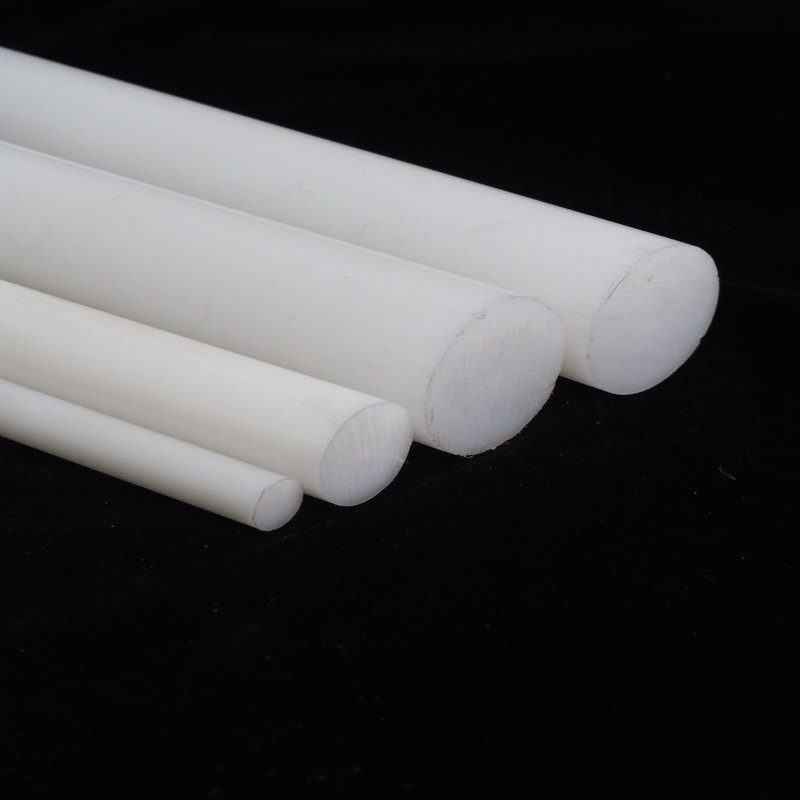


What is the Use of PTFE Rods?
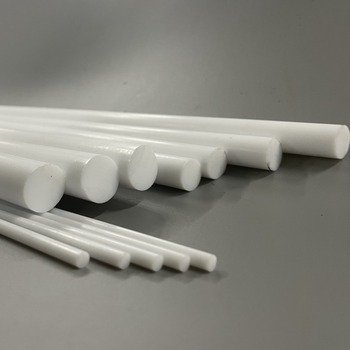
PTFE (Polytetrafluoroethylene) rods are versatile materials that have a wide range of applications across various industries due to their unique properties. PTFE, commonly known by the brand name Teflon, is a high-performance plastic that exhibits excellent chemical resistance, low friction, high-temperature tolerance, and electrical insulation capabilities. These rods, made from PTFE, serve numerous purposes, making them highly sought after in both industrial and consumer applications.
Chemical Resistance
One of the primary uses of PTFE rods is in environments that involve corrosive substances. Due to PTFE’s excellent chemical resistance, these rods are widely used in the chemical, pharmaceutical, and food processing industries. They are often used as liners, seals, gaskets, and components that come into direct contact with chemicals.
Electrical Insulation
PTFE rods are ideal for use in electrical applications because of their superior insulating properties. These rods are frequently used as insulating spacers in electrical components, wires, and cables, ensuring the safe transmission of electricity by preventing short circuits and other electrical faults.
High-Temperature Applications
Another common use of PTFE rods is in high-temperature environments. They can withstand extreme temperatures ranging from -200°C to 260°C (-328°F to 500°F) without degradation. This makes PTFE rods suitable for applications in industries such as aerospace, automotive, and manufacturing, where components are subjected to intense heat.
Low Friction and Wear Resistance
Due to their low friction coefficient, PTFE rods are also used in applications requiring minimal friction, such as bearings, bushings, and mechanical seals. These properties help to reduce wear and tear on moving parts, contributing to the longevity and efficiency of machinery.
You must be logged in to post a comment.