About Us Polymer PTFE

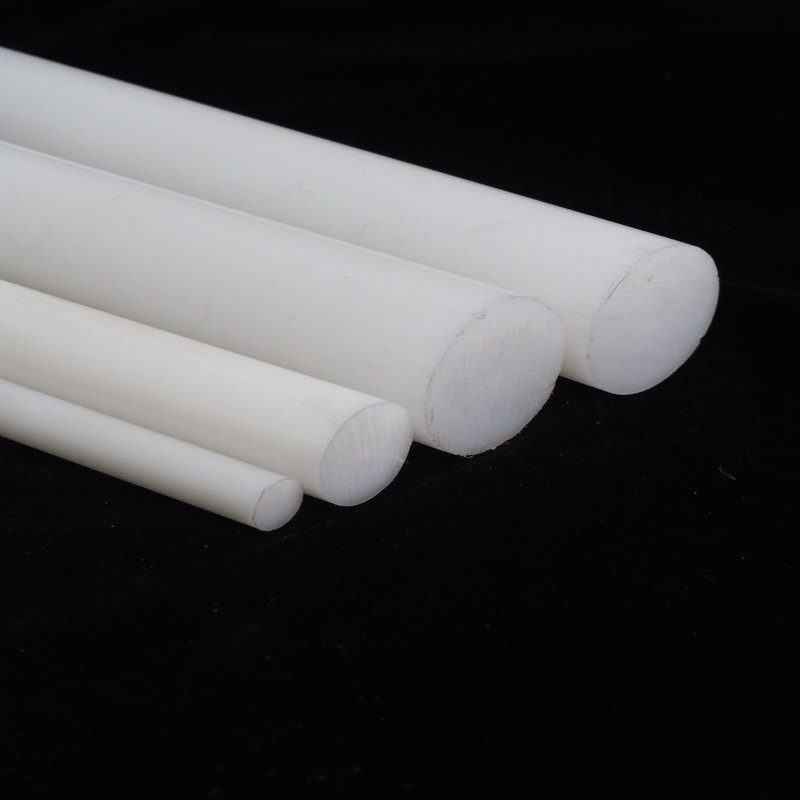
Polytetrafluoroethylene (PTFE) is a synthetic fluoropolymer of tetrafluoroethylene. Being hydrophobic, non-wetting, high density and resistant to high temperatures, PTFE is an incredibly versatile material with a wide variety of applications, though it's perhaps best-known for its non-stick properties.

Key Properties of PTFE:

  1. Non-Stick Surface: One of PTFE’s most famous qualities is its non-stick nature. It’s commonly used in cookware like non-stick pans.
  2. High Temperature Resistance: PTFE can withstand extreme temperatures, ranging from about −200°C to +260°C (−328°F to +500°F), making it useful in high-heat environments.
  3. Chemical Resistance: It is highly resistant to most chemicals, including acids, bases, and organic solvents. This makes it ideal for use in industries like pharmaceuticals, chemicals, and food processing.
  4. Electrical Insulation: PTFE is an excellent electrical insulator, which is why it is used for insulation in wiring, particularly in high-frequency applications like aerospace and telecommunications.
  5. Low Friction: The polymer has one of the lowest coefficients of friction of any solid material, which contributes to its widespread use in applications requiring low friction or wear resistance, such as bearings and seals.
  6. Water Repellency: PTFE is hydrophobic, meaning it repels water and is used in applications requiring waterproof properties.
  7. Durability and Strength: It is resistant to wear and has high tensile strength, contributing to its long service life even in harsh environments.

Applications of PTFE:

  • Cookware: Non-stick coatings for frying pans and other cookware.
  • Medical: Used in medical devices, implants, and grafts due to its biocompatibility.
  • Aerospace: Wiring insulation, seals, and gaskets.
  • Automotive: Fuel systems, coatings, and seals.
  • Electronics: Insulation in cables and connectors for high-frequency signals.

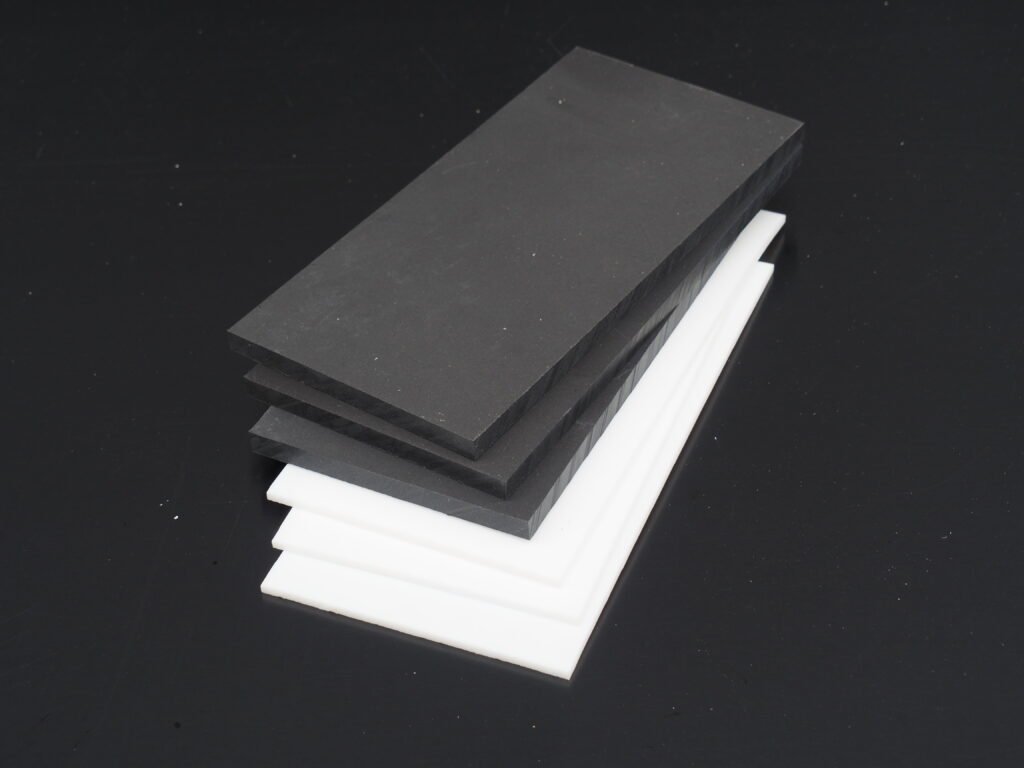
In addition to these applications, PTFE is also widely used in the form of films, sheets, gaskets, seals, and coatings for various industrial processes.

Limitations:

  • Difficult to Bond: PTFE does not bond well with most adhesives, which can be challenging in some manufacturing processes.
  • Expensive: Due to its production cost and specialized applications, PTFE can be more expensive compared to other polymers.

In summary, PTFE is a versatile, high-performance polymer used across a wide range of industries for its excellent properties like non-stick nature, chemical resistance, high-temperature stability, and low friction.

Free Delivery

Free shipping on all order

Online Support 24/7

Support online 24 hours a day

Money Return

Back guarantee under 7 days

Member Discount

Onevery order over $120.00