
The best discounts this week
Every week you can find the best discounts here.
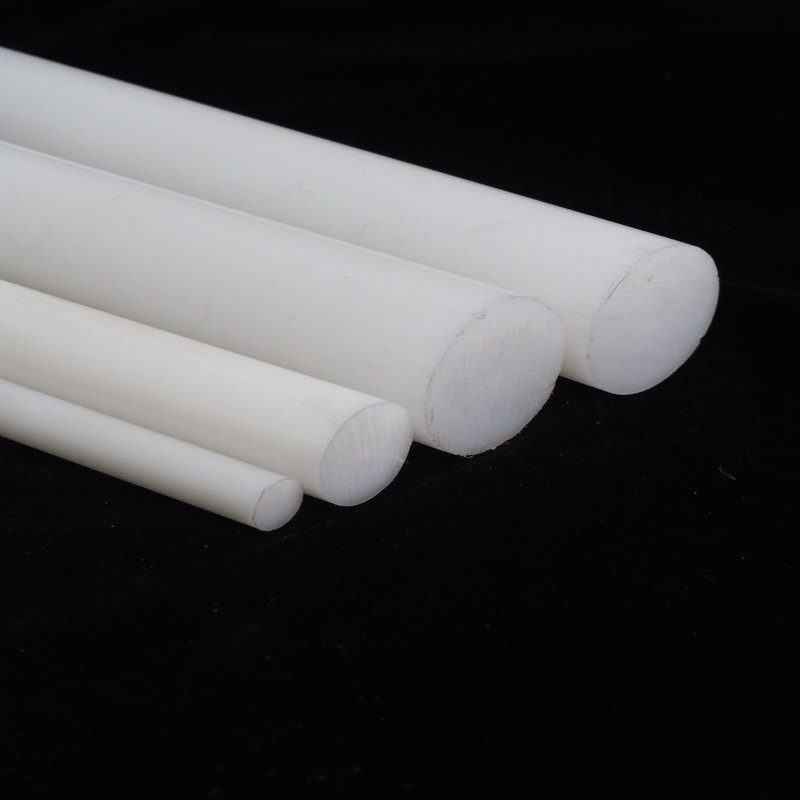


What are the Properties of PTFE Sheets?
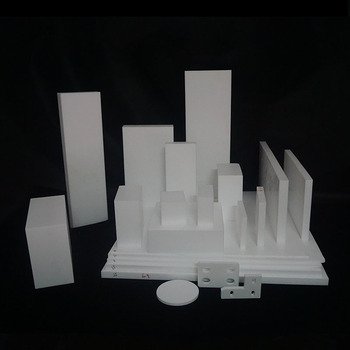
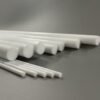
PTFE (Polytetrafluoroethylene) sheets are a versatile material known for their exceptional properties, making them ideal for use in a wide range of industrial and commercial applications. As a high-performance polymer, PTFE offers several distinctive characteristics that set it apart from other materials. Below are the key properties of PTFE sheets.
Chemical Resistance
One of the most significant properties of PTFE sheets is their outstanding chemical resistance. PTFE is virtually inert to most chemicals, including acids, bases, solvents, and gases. This makes PTFE sheets an ideal choice for applications in industries such as chemicals, pharmaceuticals, and food processing, where contact with harsh substances is common.
High-Temperature Tolerance
PTFE sheets can withstand a broad range of temperatures, from -200°C to 260°C (-328°F to 500°F), without losing their structural integrity. This high-temperature tolerance makes PTFE suitable for applications in high-heat environments, such as aerospace, automotive, and manufacturing industries.
Electrical Insulation
PTFE sheets are excellent electrical insulators, offering low electrical conductivity. This property makes PTFE sheets ideal for use in electrical and electronic applications, such as insulation for wires, cables, and circuit boards, ensuring safe and reliable performance.
Low Friction and Wear Resistance
Another remarkable property of PTFE sheets is their low coefficient of friction. PTFE is known for its smooth surface, which reduces friction between moving parts, making it ideal for use in bearings, bushings, and mechanical seals. This property also contributes to PTFE’s resistance to wear and tear, increasing the longevity of components.
Non-Stick Surface
PTFE sheets have a non-stick surface, which is widely used in food processing and cooking applications. The non-stick nature prevents materials from adhering to the surface, facilitating easy cleaning and maintenance.
You must be logged in to post a comment.